Recently I had an allergic reaction that turned into a dermatitis rash covering large areas of my body. It was probably triggered by an old scented lotion I hadn’t used in a couple of months and that had likely expired, so my body responded with a really strong hit of histamine.
I self treated with OTC meds, but after 2 days the rash and hives kept coming. Since it was like 11 PM, I couldn’t really see a doctor, so I did the next best thing: distract myself by vibe coding a symptom and medication tracking app.
I tried to find an app on the app store, or a web app first, but couldn’t find anything that was free and had the kind of UX I wanted.
This post is not about the little app I built so I could keep track of what meds I took, what I ate or drank, and what symptoms I was having, but about the agency that came with the ability to create something like this in the first place.
On Agency
There’s something inherently awful about sitting in discomfort, knowing there’s an issue and not being able to do anything about it.
Was creating a micro-app to track this data going to have an immediate payoff for me? No, or so I thought.
Sure, it wasn’t going to help the hives go away, or stop the itching, but there was a secondary effect I didn’t anticipate, and that was how working on this app would distract me from the discomfort itself.
An idle mind is the devil’s workshop, or whatever that saying is.
Because of my initial issue – the dermatitis – my secondary issue, not having an app to track symptoms, gave me an opportunity to take agency in the moment and create, which had the follow-on effect of reducing my awareness of my rash.
I used Claude Code to build this, which made it a conversational experience. I was able to scaffold the app quickly and add the specific features I wanted, tweaking the design and UX so it felt good to use. Small hits of dopamine hit my brain, having an additive effect helping me not to think about how itchy I was feeling even though I was staring at a digital representation of my discomfort.
When I was able to see a doctor 2 days later, I had a precise recording of my symptoms and their severity, as well as what I ate and drank, when I showered or exercised, and what medication I took. It was searchable and filterable, and I could hand my phone to the doctor so they could see the data for themselves.
YMMV
Obviously, not every problem can be solved or even helped with just vibe coding some personal software. However, in this instance, I was able to hit two targets with one arrow: temporarily helping my symptoms through a distracting activity and collecting useful data for the doctor to see later.
The App
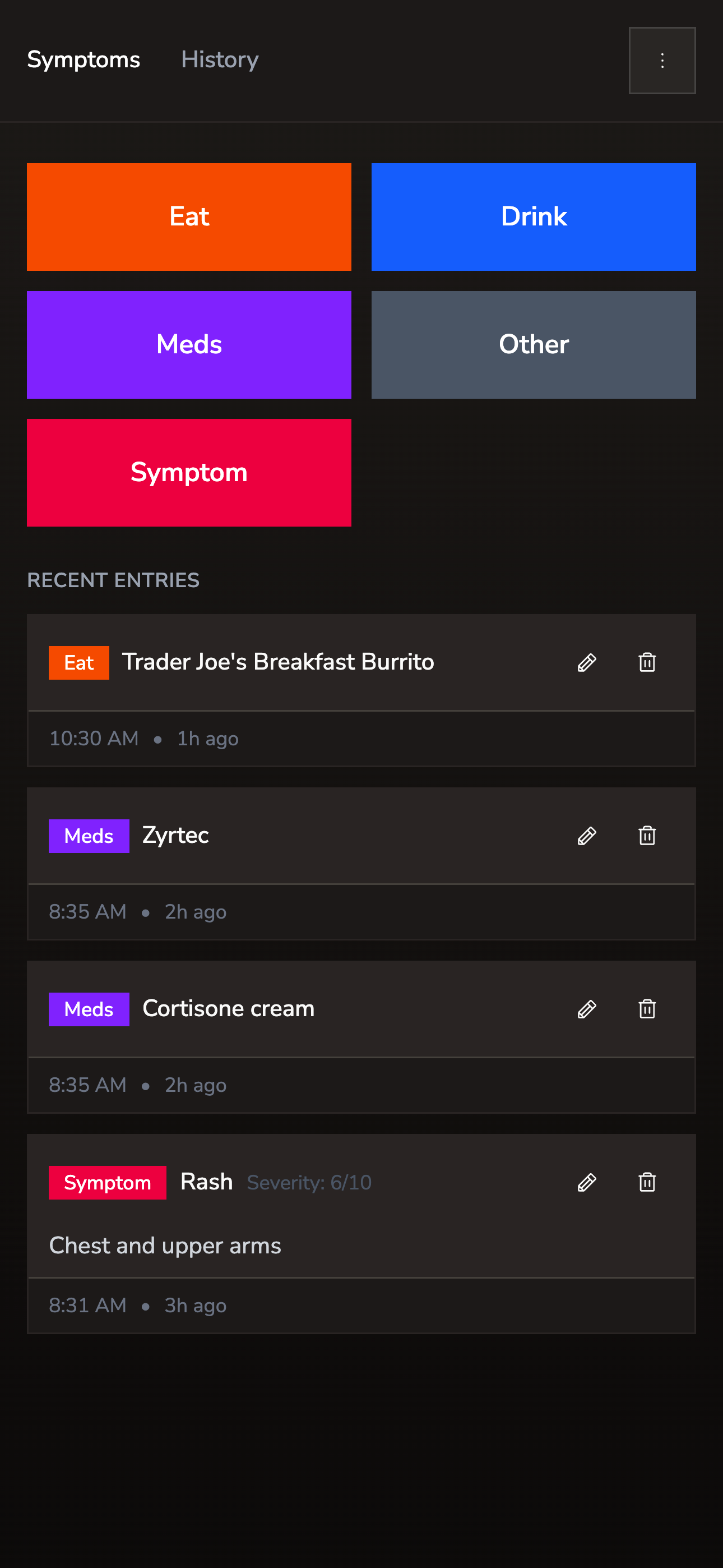
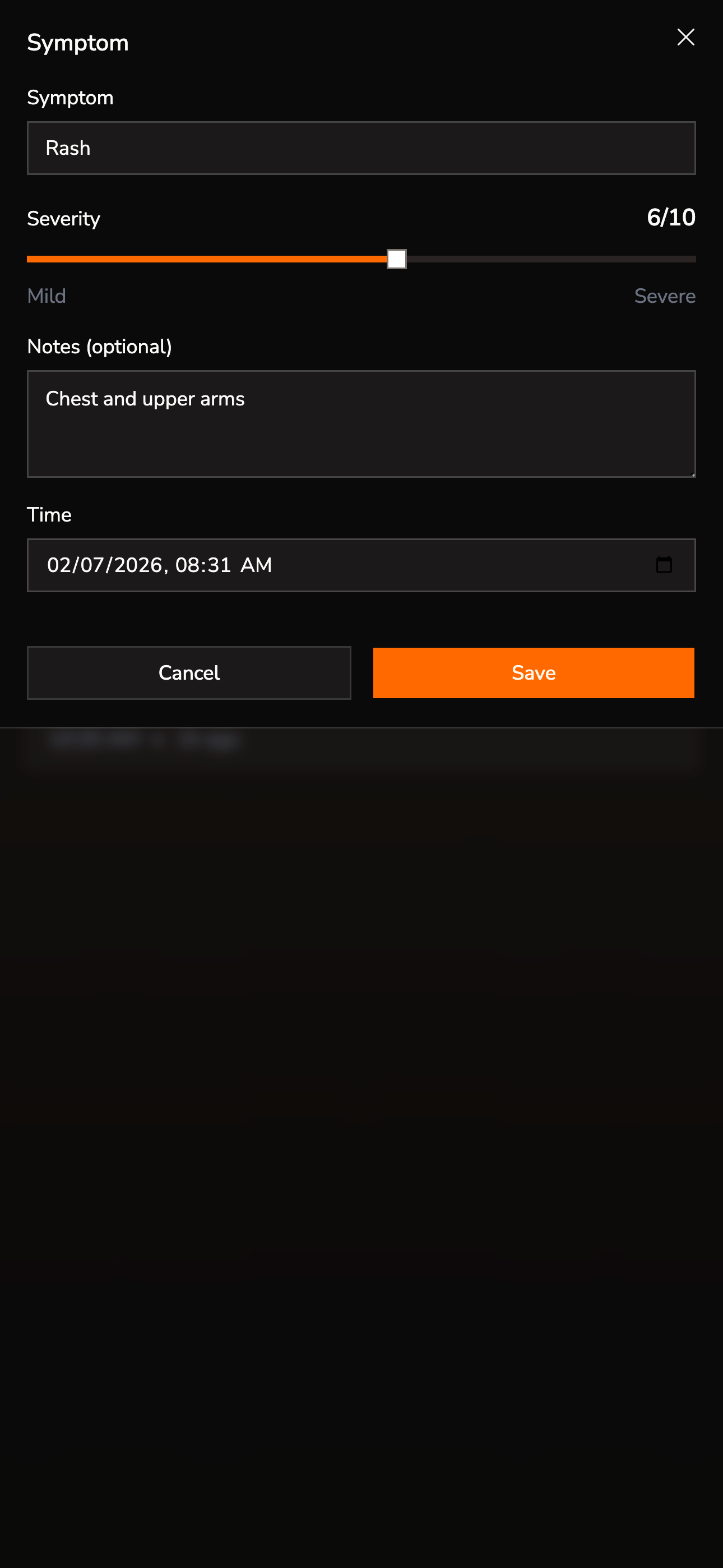
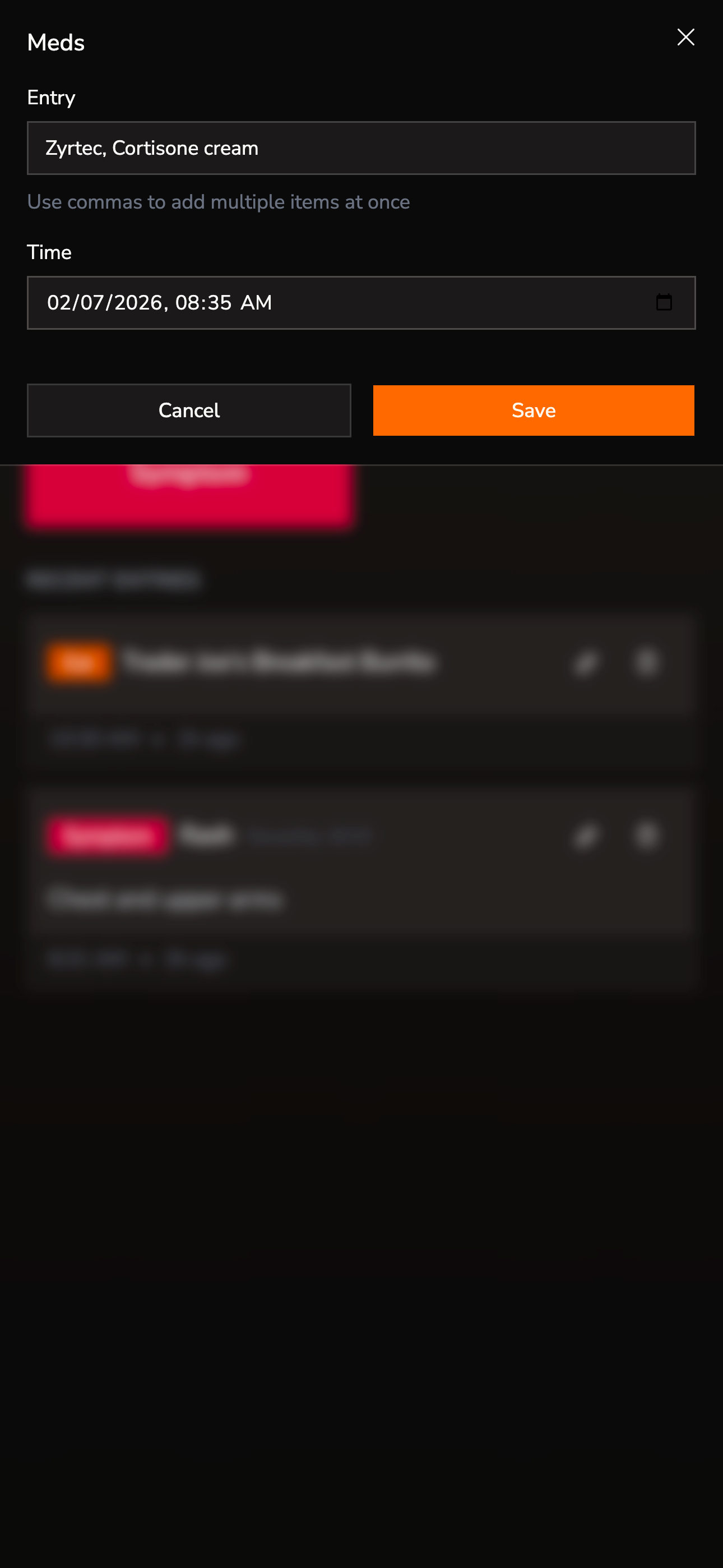
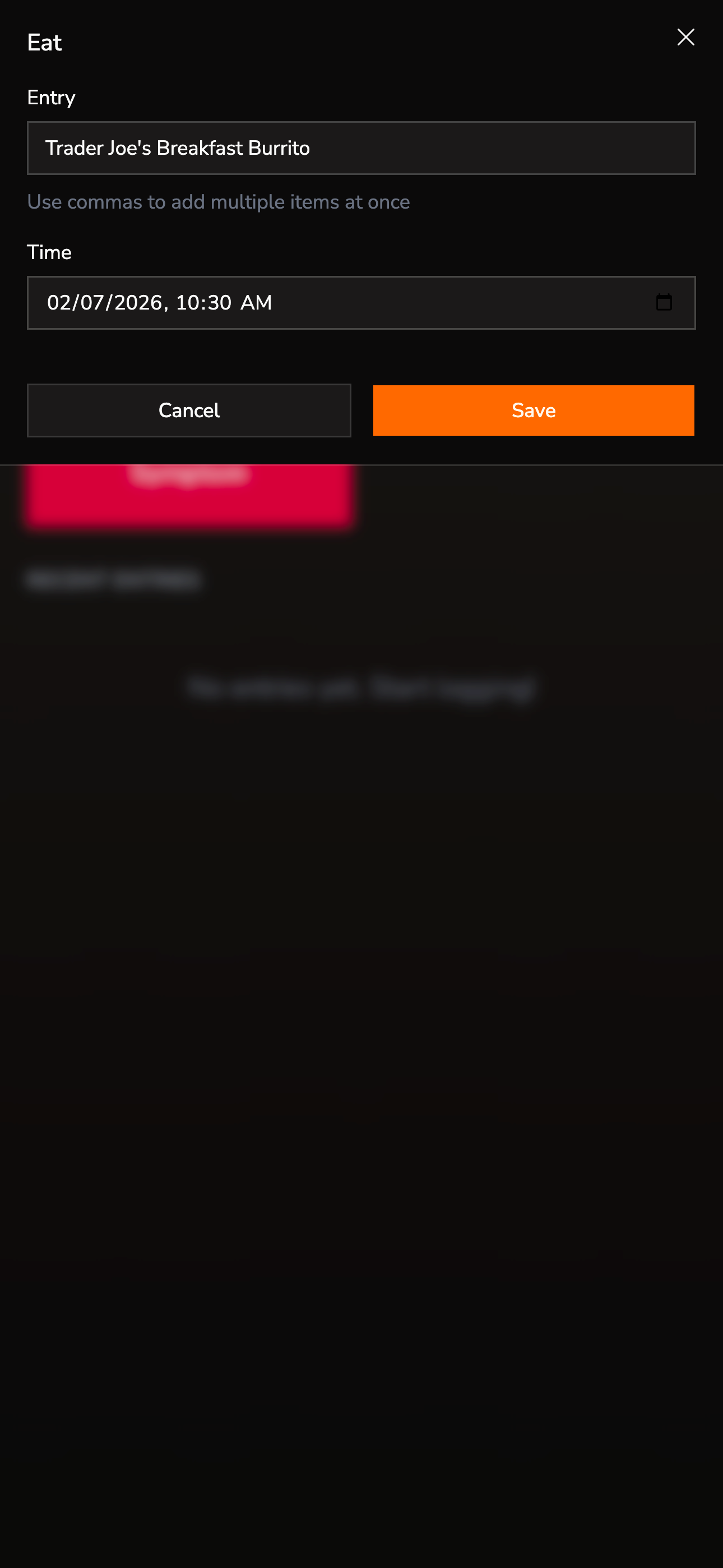
Buttons to quickly capture inputs, and most recent items on the homescreen.
Just in case you’re interested, you can check it out at symptoms.nickradford.dev. And here’s the GitHub Repo so you can see that I’m not collecting any data.
Related writing
- F5: Some Life Updates6 min readA personal update on the 2025 job search, AI anxiety in tech, returning to programming, side projects, and site redesign work.
- How Do You SEO a Tattoo Portfolio Full of Images?4 min readHow AI vision models can extract style, subject, placement, and color metadata from tattoo portfolio images for better SEO.
- Your Codebase Is Part of the Prompt12 min readAI coding agents read your codebase as context. Learn how ubiquitous language and consistent naming reduce ambiguity and improve agent accuracy.